

More grounds are being covered in the quest to provide adequate telecommunication services to underserved, unserved and rural areas across Nigeria, with clustered access gap estimated to be 207 in 2013 reducing to 97 by year 2020.

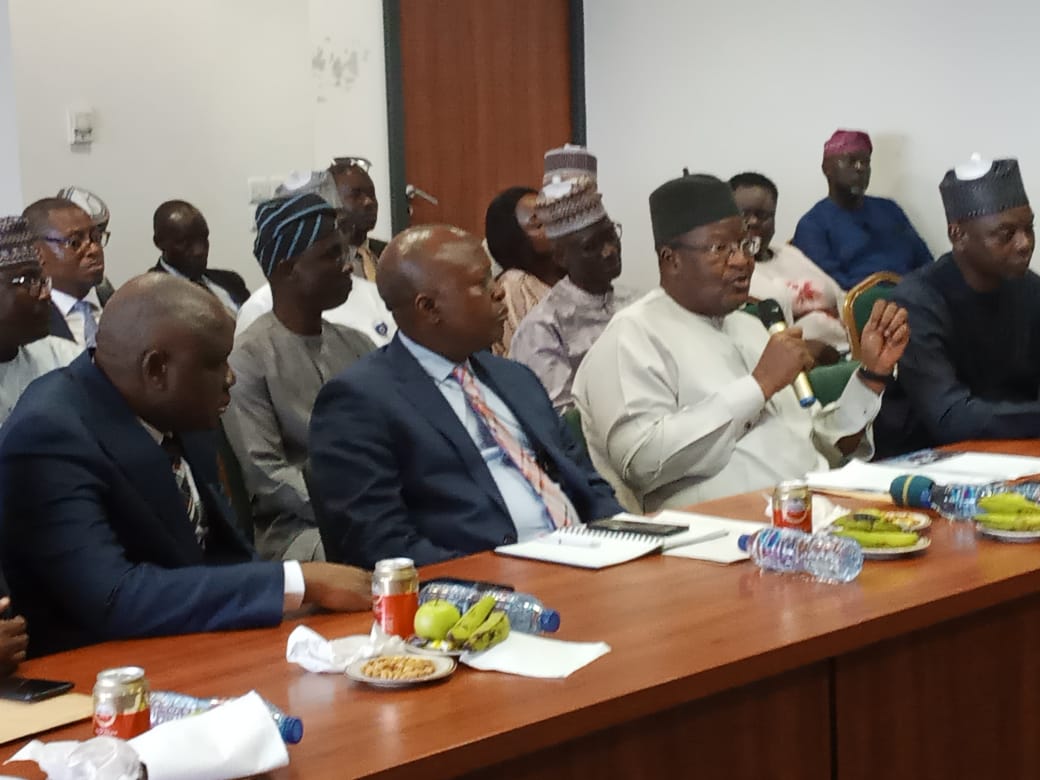
Executive Vice Chairman, Nigerian Communications Commission, Prof Umar Garba Danbatta made this presentation when he appeared before the House Ad-hoc committee investigating
failure/inability of NCC to promote widespread availability and usage of mobile telecommunication network service through out Nigeria as well as accrual/utilization of funds in the universal service provision fund.
The EVC in his overview of the Universal fund, said the National Assembly has done well with provisions in its Act that made current issue appropriate. The hallmark of the universal service provision fund he said is the availability, accessibility and affordability of telecommunication services.
Accordingly, Prof Danbatta said findings from a study conducted in 2013, on cluster of access gap indicated availability of 207 clustered access gap with an estimated 37 million Nigerians without access to telecommunication.
By 2019, he said the gap has been bridged with the clustered of access gap reduced to 114, through deployment of infrastructure, with estimated 31 million Nigerians left without access to telecommunication services.
And by year 2020, the EVC further disclosed to the House ad-hoc committee that through concerted efforts, clustered of access gap had reduced to 97, with estimated 27 millions Nigerians yet to be covered.
Prof Umar Garba Danbatta clarified that in some other countries, the issue of rural, unserved and underserved are still available, thus Nigeria needs to declare state of emergence in telecommunication sector so that existing gap can be finally bridged, stressing that ” no Nigerian, young or old will be disenfranchised from using the telecommunication services.”
While responding to questions from members of the ad-hoc committee, Ayuba Shuaibu, Secretary, of the Universal Service Provision Fund (USPF) observed that engagement with National Assembly cannot be coming at a better time than now, especially because it is coming right before legislature that has the power of appropriations.
He listed a number of challenges facing expansion of telecom services to right of ways, poor electricity supply, multiple taxation/regulation, insecurity which had forced a number of private companies to abandon projects.
Earlier, Speaker House of Representatives, Hon Femi Gbajabiamila represented by Deputy Chief Whip, Hon Nkiruka Onyejeocha said Telecommunication being one of the major sectors and indices for development, needs to be expanded to the rural dwellers through the oversight function of the regulatory agency.
Chairman of the House Ad-hoc committee, Salam Bamidele said the focus of the investigation is to find out what is being done by stakeholders to cover the unserved, and the underserved.
Nigeria, being the largest democracy in Africa cannot be left behind in the coverage of telecommunication services in her rural areas.