

Experts have identified lack of family support, sufficient therapy and professional counselling as the bane of the fight against drug abuse in Nigeria.
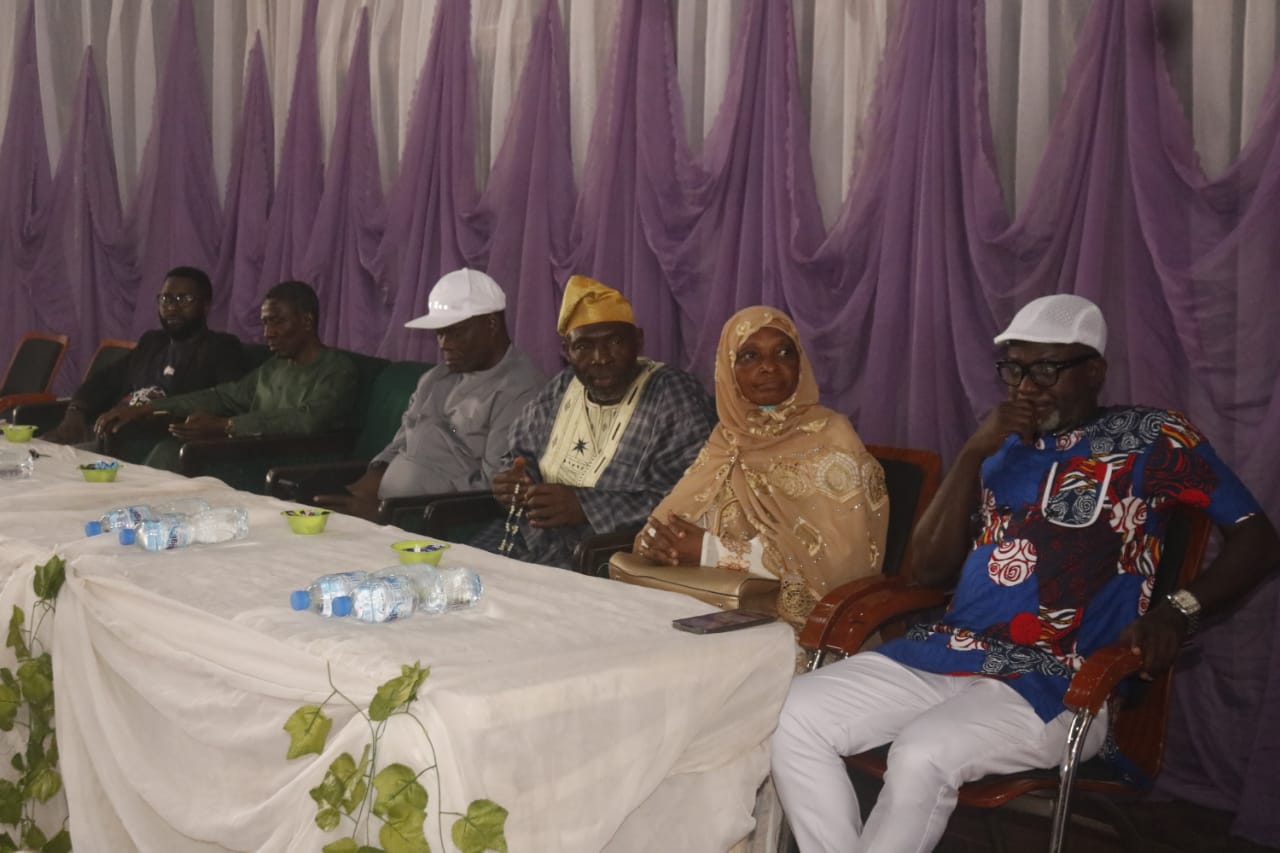
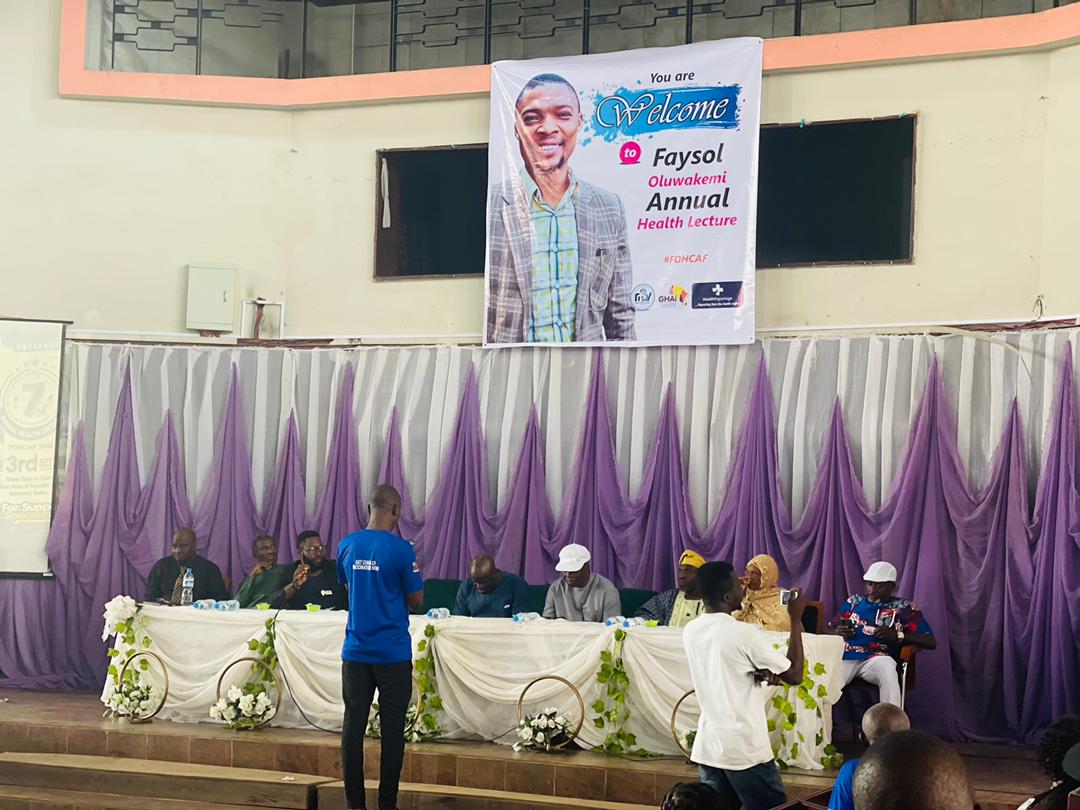
This was the thrust of the seventh annual Faysol Oluwakemi Annual Health Lecture held recently at the Oyo State House of Chiefs which featured concerned professionals from different walks of life.
Delivering his keynote address, Dr. Oludayo Tade of the Department of Sociology, University of Ibadan, noted that mental health is assuming dangerous dimension in the country owing to many domestic challenges people face nationally, regionally and at
organizational, community, family and individual levels.
“We must treat all three concepts gingerly and step-up actions toward addressing the consequences of not attending to them, some of which are already manifesting.
“Substance abuse is the harmful pattern of using substances such as tobacco, alcohol, illicit drugs, and prescription drugs, leading to impairment or distress. It may lead to failure to fulfill responsibilities with absence at school, work or home, accident while driving, violation of laws, and may contribute to crime and other forms of social problems.
“The use of drugs, largely among youths who constitute more than half Nigeria, is a major source of concern. Although substance abuse among youths is not a recent phenomenon, its contemporary form and use raises fundamental issues about their socialization process and the implications of their actions on the society now and in the future.
“According to the United Nations office of Drugs and Crime (2021) 22 percent people around the world use drugs between 2010 and 2019 and this is projected to rise by 11 percent by 2030. For Africa, it is projected that substance use will increase by 40 percent due to
population growth and Nigeria will have to grapple with 20 million drug users
by 2030.
“This will not only exacerbate the already stretched public health
crisis and but will also create public security threat. Nigeria’s drug use
prevalence of 14.4% is higher than global average Indeed, 5.5 percent of the population aged 15 to 64 have consumed drugs at least once in the last one year globally.
“Of these, 36.3-million or 13 percent of those who use drugs suffer drug use illness. The magnitude of drug abuse was captured in the undercover investigation of BBC Africa Eye (Sweet Sweet Codeine) which shows the market of illicit drug use and its implications on the youth and the society. Illicit drug market is an organized criminal network. Its immediate implications are mental health issues on the abusers and deployment in kidnapping, banditry, and other forms of criminality such as rape.” Dr. Tade stated.
Talking about the effectiveness of use of force to tackle drug abuse, Dr. Tade said the policy actors have enough policies to control even behavior of people.
“It is now the will of those in those offices. It is sad that we are in electioneering period and you will begin to see how people will display substance consumption even when law enforcement agents are attached to people. Then you begin to wonder who is fooling who?
“But if we allow such things to go on, it will affect democratic development because the use of force will prevent people from exercising their franchise.
“What the society needs to do is to start from the family which is the microcosm of the larger society. Those that are taking drugs are children from certain families. The family system should not be allowed to break down to the extent that parents will not take up their responsibilities.
“The only sustainable method for reducing the burden caused by these disorders is prevention as well as mental health promotion. Meanwhile, the level of awareness of the Nigerian public on mental health promotion is poor. Therefore, there is a need for effective community-based prevention and
mental health promotion programmes. Conditions creating mental health challenges for people must be improved upon. Employment opportunities,
poverty reduction, promotion of social inclusion policies and improvement of the economy.
“We must cut the supplies of illicit substances and give hope to the youth. We must improve our health systems which are currently stretched and ill-equipped to cater to the health needs of Nigerians.”
“Yet, we must have personnel to take care of mental health problems/needs and persons in Nigeria, they need to be available, accessible and affordable. social support for the vulnerable and the re-igniting the extended family support which rescued many in traditional societies.
Also corroborating Dr. Tade’s position, the founder, Centre for Health and Substance Abuse Prevention, Mr. Seye Omiyefa said: “we need to start from policy because when there’s no policy, it is hard for anybody to even complain. You can’t complain to law enforcement agencies because which laws are they going to enforce.
“It has to start from policy, then sensitization would also go a long way. Not many people know there is a law against substance abuse, but when we keep reiterating it over and over before it sticks. So we need to keep preaching the gospel for people to stop using substances.
In secondary schools, we need to put what we call Prevention Leadership Action Team in place, that is a way of building substance use policy in each school and the state and federal government need to take that initiative up as it is going to help checkmating who wants to start using substances in school.”
While talking to penangle.com shortly after the programme, a toxicologist and chemical pathologist from the University College Hospital (UCH), Mrs. Oluwakemi Ademola Aremu said all the blames should not go to government because it’s a behavioral issue, stressing it is not just government.
“Over time, with more information we discovered that every addict is medicating a pain – some real pains, some psychological pains and some social pains.
“Many big people, including the people in government are on drugs, many of their children are on drugs. Many professionals like pharmacists, medical doctors are on drugs because the people selling it are aggressive – they can even kill. So tackling this must start from homes. It is a behavioral thing and not something you do just one day. She said.
Earlier at the event, the organiser of the annual health lecture, Mr Faysol Oluwakemi narrated how he was inspired to become good health advocate in the media industry. He charged all attendees to take their health important.
While he appreciated all partners like UNICEF and Oyo State Government and several individuals for their support, Mr. Faysol urged well meaning Nigeria to kindly support the programme which benefit humanity rather than sponsoring ordinary frivolous events that have no impacts on human lives.
The highlight of the annual event was free Diabetes, Hepatitis B and Urinalysis tests for all attendees.
Dignitaries at the event included the General Manager of Fresh FM Abeokuta, Mr. Samson Akindele; popular Ibadan-based broadcasters like Emanuel Ibikunle (Elere Oba), Oluwatobiloba Ogunsina (Wokilumo), Temilade Aloko, Opeyemi Makinde among others.